


很抱歉,没有找到 “” 相关结果
请修改或者尝试其他搜索词


设计单位 OODA
项目地点 葡萄牙马托西纽什
建成时间 2025年
建筑面积 15000平方米
罐头工厂的前身,是由建筑师阿尔瓦罗·西扎主持制定的马托西纽什南区城市化规划的一部分,占据着城市中极具优势的区位。
The former canning factory Brandão & Companhia Ltd is part of the Matosinhos Sul Urbanization Plan by architect Álvaro Siza and occupies a privileged position in the city.


项目毗邻海岸线,在延续原有工业气质的基础上,唤起了人们对生产时代的怀念和对大海的向往。
Near the coastline, the unit builds upon the original industrial feel evoking the nostalgia of a time of production and connection to the sea.


这座具有象征意义的建筑,作为场所集体记忆的一部分,曾在不同时期被赋予多种使用功能,并经历了多次改造,逐渐偏离了其原有特征。
This emblematic building, part of the collective memory of the place, had different uses over time, being subject to several interventions that mischaracterized it.


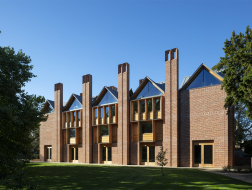
相比之下,本次方案旨在通过一项具有创新性的设计来填补城市肌理,在尊重既有建筑的前提下,重建原始的建筑围护结构与烟囱,同时回应一个高度复合的特殊功能需求:一个融合医学实验室、健康诊所、办公空间、商业设施与集体住宅的混合功能开发项目。
By contrast, the proposal aims to fill in the urban fabric with an innovative project that compliments the pre-existing, reconstructing the original building envelope and chimney, withal responds to a very special program: a mixed-use development, which brings together the facilities of a medical laboratory, health clinic, offices, commercial spaces and collective housing.


尽管现有体量几乎占据了整个用地,项目仍通过引入绿色且具渗透性的空间,为建筑内部引入自然光线,并促进街区内部的流线组织。
Whereas the existing volumetry occupies almost the whole lot, green and permeable spaces were created, leading light to their interior and promoting circulation within the block.


这些空间在通往高层的不同功能区域之间形成了视觉关系。在这座多功能的城市综合体中,由此形成了一系列紧凑的空间片段。
These spaces produce visual relationships between the different programs with access to the upper floors. Compact moments are formed in a multi-functional city.


住宅的入口处设置了一个接待空间,向内庭院打开,庭院进一步联通不同区域与公共空间。服务与商业功能布置于首层,办公空间位于一层,而住宅体量则安置于最上部。
In the entrance to the dwellings, a reception space opens to the interior patio that connects to different zones and common areas. Services and commerce are located on the ground floors, while the offices are placed on the first floor. Blocks intended for housing are settled at the top.


通过采用不同密度的材料,例如着色混凝土与拉伸铝板,项目清晰地呈现出不同时代之间的关系。
The use of materials with different densities – pigmented concrete and aluminium stretched plate – evidences the different times connected by a formal unity that combines the old and the new.


保留下来的厚重体量,与悬置于庭院上方、比例精确且通透的体块形成鲜明对比,这些体量被抬高并区分开来,其材质的灵感来自于靠近大海的地方。
The thickness of the inherited mass is contrasted with the intangibility of the well-proportioned volumes suspended over the patio, elevated and differentiated, with a materiality inspired by the proximity to the sea.


建筑的总面积分布在不同的区块中,塑造出富于动感的体量组合,使项目得以充分利用大尺度用地条件,并积极回应周边环境。
The distribution of the gross area of the building in different blocks, promotes a dynamic volumetric composition, which takes advantage of this intervention on a large plot and responds to the surroundings.


项目在公共道路设计与周边建筑之间建立起一种平衡关系,为街区注入新的活力。这一更新被视为一次形态与功能层面的激活契机,这也正是城市可持续建设的两个重要目标。
The project establishes a balanced relationship with the design of the public road and neighbouring buildings, revitalizing and dynamizing the block. It is an opportunity for morphological and uses dynamization - two important points aimed at the sustainable construction of the city.


设计图纸 ▽


完整项目信息
Use: Residential / Mixed-use
Location: Matosinhos, Portugal
Status: Built
Year: 2019 - 2025
Type: Commission
Size: 15000 m2
Collaboration: Casais
IMAGES: Fernando Guerra
本文编译版权归有方空间所有。图片除注明外均来自网络,版权归原作者或来源机构所有。欢迎转发,禁止以有方版本转载。若有涉及任何版权问题,请及时和我们联系,我们将尽快妥善处理。邮箱info@archiposition.com





上一篇:湖上白云:韩国“湖云”住宅 / IROJE KHM Architects
下一篇:经典再读245 | 罗宾伍德花园:失落的粗野主义乌托邦